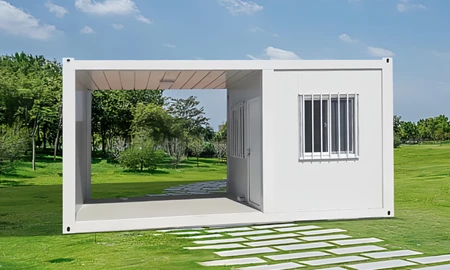
Folding container houses have emerged as a flexible and sustainable housing solution. Their ability to be easily transported, quickly assembled, and adapted for various purposes makes them ideal for urban micro-living, disaster relief, or even vacation homes. However, to ensure their longevity and usability, careful attention must be paid to material selection and protective design. In this article, we explore the key strategies to make folding container houses more durable.
1. Choosing the Right Materials
The foundation of a durable folding container house lies in the materials used for its construction. Common considerations include:
- Structural Steel: The container’s frame should be made from high-strength, corrosion-resistant steel. Corten steel, often used in shipping containers, is naturally resistant to rust and weathering.
- Flooring Materials: Durable, water-resistant flooring materials, such as marine plywood or composite boards, help prevent warping and deterioration.
- Insulation Materials: Choosing insulation that can withstand moisture and temperature fluctuations, such as closed-cell spray foam or rigid foam boards, increases the building’s lifespan.
- Exterior Panels: Lightweight yet sturdy panels like fiber-reinforced plastic or aluminum composites can reduce weight while maintaining structural integrity.
Selecting high-quality, weather-resistant, and lightweight materials ensures that the container house can withstand frequent folding, transportation, and exposure to the elements.
2. Protective Coatings and Treatments
Even the best materials require protection against corrosion, moisture, and wear:
- Anti-Corrosion Coatings: Applying rust-proof paint or galvanization to steel components prevents long-term damage caused by humidity and rain.
- Waterproofing Membranes: Roofs and walls should incorporate waterproof membranes to prevent water penetration and mold formation.
- UV-Resistant Coatings: Sunlight can degrade surfaces over time. UV-resistant paints or films on exterior panels protect against fading and material weakening.
- Sealants for Joints: Proper sealing around foldable joints and connection points reduces water ingress and maintains structural stability.
3. Structural Design Considerations
Durability is not only about materials but also how the structure is designed:
- Reinforced Corners and Joints: Folding areas are the most vulnerable. Reinforcing these points with steel brackets or flexible hinges reduces stress and wear.
- Ventilation and Drainage: Adequate airflow and rainwater drainage prevent moisture buildup, which can lead to corrosion and material degradation.
- Shock Absorption: Installing vibration-damping materials in the floor and walls reduces stress on the container during transport or folding/unfolding operations.
4. Maintenance and Longevity Tips
Even a well-designed folding container house requires routine maintenance:
- Regularly inspect for rust, leaks, or joint wear.
- Reapply protective coatings every few years, especially in harsh climates.
- Keep folding mechanisms clean and lubricated to avoid mechanical wear.
Conclusion
Durability in folding container houses depends on a careful combination of material selection, protective coatings, and thoughtful structural design. By investing in high-quality materials and implementing effective protective measures, owners can ensure that their folding container houses remain functional, safe, and visually appealing for years. With these strategies, folding container houses are not only a flexible housing solution but also a long-term investment in sustainable living.
This approach balances innovation with practicality, giving your readers clear, actionable insights into making folding container houses more durable.
Whatever your needs are, there’s a right space capsule house for you!
Check out our website for a complete list of our house products. Read our blog for related articles and information. Questions and concerns? Contact us.